The world of luxury bathrooms is changing in 2026. Homeowners now want more than just practical spaces. They are looking for bathrooms that feel like high-end spas while also including modern technology and eco-friendly materials.
Luxury bathrooms have become personal retreats where wellness and innovation come together. The trends for 2026 focus on creating rich experiences with smart technology and natural design elements. True luxury is no longer about excess. It is about smart design that improves daily life while caring for the environment.
1. Smart Mirror Technology With AI Integration
The bathroom mirror is becoming a central part of daily life. Mirrors with built-in televisions, smart speakers, and power outlets in medicine cabinets are still common, but in 2026 the technology goes further.
AI-powered mirrors can now check your skin, recommend skincare routines, and adjust the lighting to match the time of day. They can also show weather updates, remind you of your schedule, and even play guided meditation sessions while you get ready.
Newer models include anti-fog features that react to humidity and built-in UV sanitizers for toothbrushes and other small items kept inside their storage compartments.
2. Freestanding Bathtubs As Sculptural Centerpieces
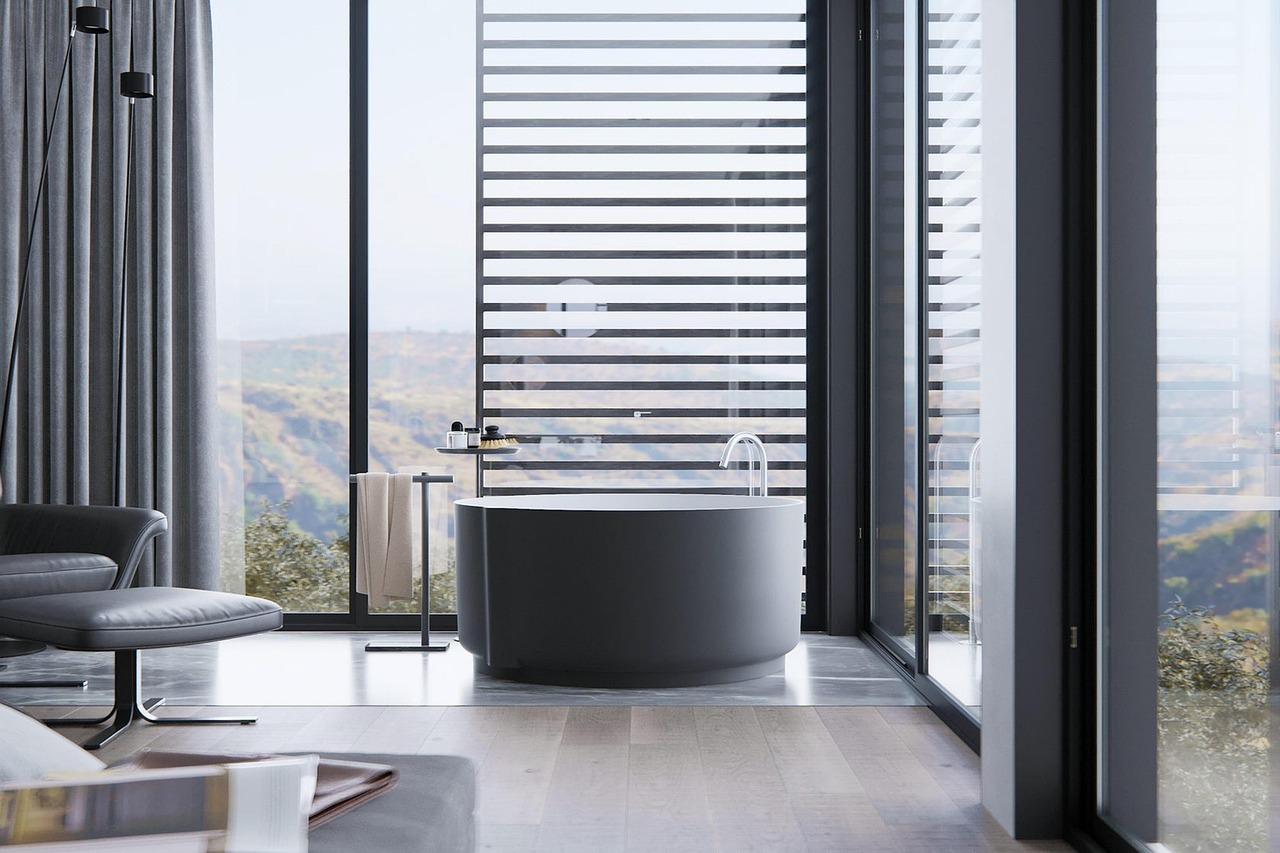
Freestanding bathtubs are now seen as the main highlight of a luxury bathroom. By 2026, these tubs are turning into pieces of art on their own.
New materials allow bathtubs to be carved from single blocks of natural stone, with smooth shapes that look like river rocks or flowing waves. Designers are even taking inspiration from the golden ratio in architecture, using proportions that naturally feel balanced and harmonious. Special materials also help keep the water warm for a long time without extra heating.
These tubs are placed with more thought, often near big windows or inside alcoves that are designed to show them off as the centerpiece of the room.
3. Heated Floor Systems With Smart Controls
Heated floors bring comfort and luxury to the bathroom, keeping it warm and easy to control with a smartphone. In colder climates, every luxury bathroom can benefit from heated flooring since it is widely available.
By 2026, these systems include zone-specific heating that warms different parts of the bathroom at different temperatures. Motion sensorscan detect when you step in and automatically pre-heat the floor to your favorite setting.
The newest energy-saving systems use thermal mapping to heat only the spots you usually walk on. This lowers energy use by up to 40 percent compared to older systems.
4. Artistic Tile Compositions And Patterns
Designers are now using tiles in more creative ways. From art-inspired patterns to handmade finishes and bold colors, tiles are becoming a major feature in modern bathroom design.
Some layouts borrow from Greek and Roman classical architecture, where symmetry and geometric detail add timeless appeal. Handmade tiles with uneven shapes and textures add depth and change in appearance as the light moves throughout the day. Mixing materials such as ceramic, glass, and metal in one design is now a popular choice for creating luxury spaces.
Three-dimensional tile designs are also gaining attention. These feature walls act like works of art and often include LED lighting to highlight the layered look.
5. Biophilic Design Elements
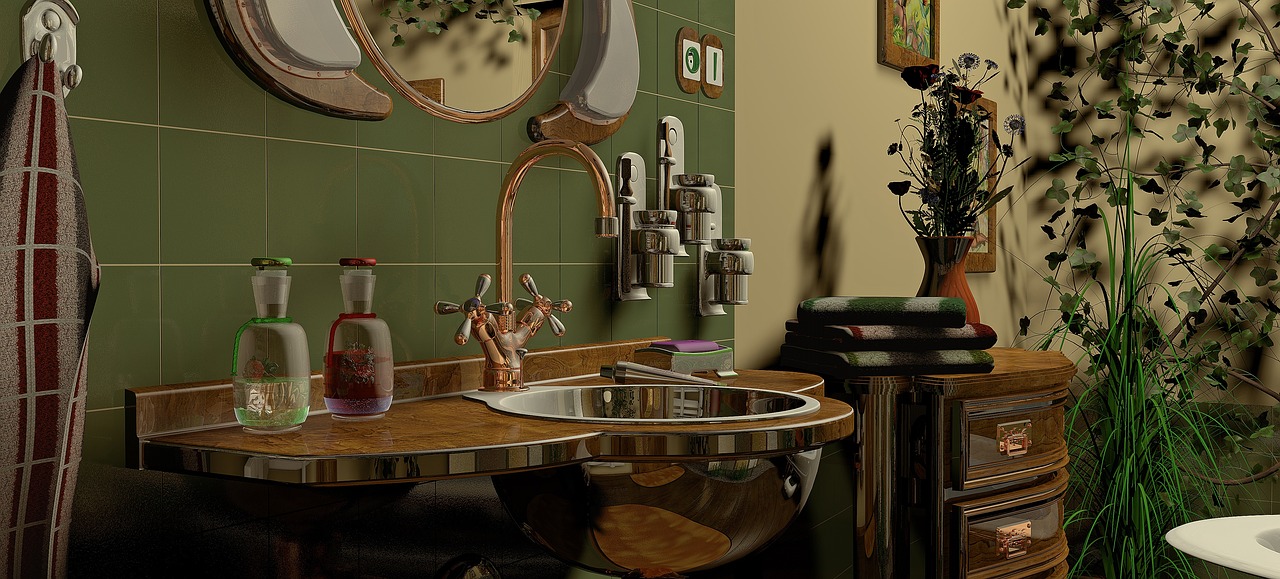
Using natural materials like stone, textured tiles, and wood helps create a calming space. Connecting with nature through warm, neutral tones is also becoming a popular design choice.
Living walls filled with plants that thrive in moisture are now being added to shower areas with the help of special hydroponic systems. This trend is part of architecture and interior designthat seeks to create harmony between built spaces and the natural world.
Natural wood pieces, protected with advanced water-resistant finishes, bring warmth to spaces that might otherwise feel cold. Stone choices are shifting toward materials that show visible fossils or unique natural patterns, turning them into striking features that remind people of the earth’s history.
6. Steam Shower Experiences
Modern steam showers now come with frameless glass designs, built-in seating, and even bathtubs. Extra features like aromatherapy, heated floors, and towel warmers make the experience even more relaxing.
Special chromotherapy lights can change colors to match different moods, such as blue tones for energy in the morning or green tones for calm in the evening. Built-in oil diffusers can also be set to release scents at specific times.
Some steam showers are large enough for two people and include separate temperature controls, giving each person a personalized spa-like experience.
7. Sustainable Luxury Materials
Luxury design is now focusing on sustainability while still keeping a beautiful look. Recycled glass surfaces create striking effects and remain eco-friendly at the same time.
Reclaimed wood from old buildings adds character and history to modern spaces. The natural patina and grain patterns found in this wood cannot be copied with new materials.
Lab-grown stone is also becoming popular. It offers the same beauty as marble or granite but with a much lower environmental impact, showing how blending green energy with building designis reshaping luxury construction choices. It offers the same beauty as marble or granite but with a much lower environmental impact, using up to 80 percent fewer resources than traditional stone.
8. Statement Lighting Fixtures
Pendant lights placed over bathtubs create a bold centerpiece while also giving enough light for evening baths. Crystal chandeliers made for bathroom humidity add a touch of elegance to spaces that are usually more practical.
LED strip lights hidden in mirrors or under floating vanities provide soft lighting that can change during the day to match your body’s natural rhythm. Color-changing lights let you instantly shift the mood of the bathroom.
9. Spa-Inspired Wellness Features
Homeowners are now drawn to bathrooms that feel like private spas. The goal is to create a space where people want to spend more time relaxing and recharging.
Built-in sound systems with waterproof speakers make showers and baths more enjoyable with high-quality sound. Himalayan salt walls are also being added, as they are believed to release ions that can improve air quality and mood.
Infrared heating panels bring therapeutic warmth while keeping the room comfortable. These panels can be built into walls or ceilings so they work quietly and out of sight.
10. Bold Color Palettes And Contrasts
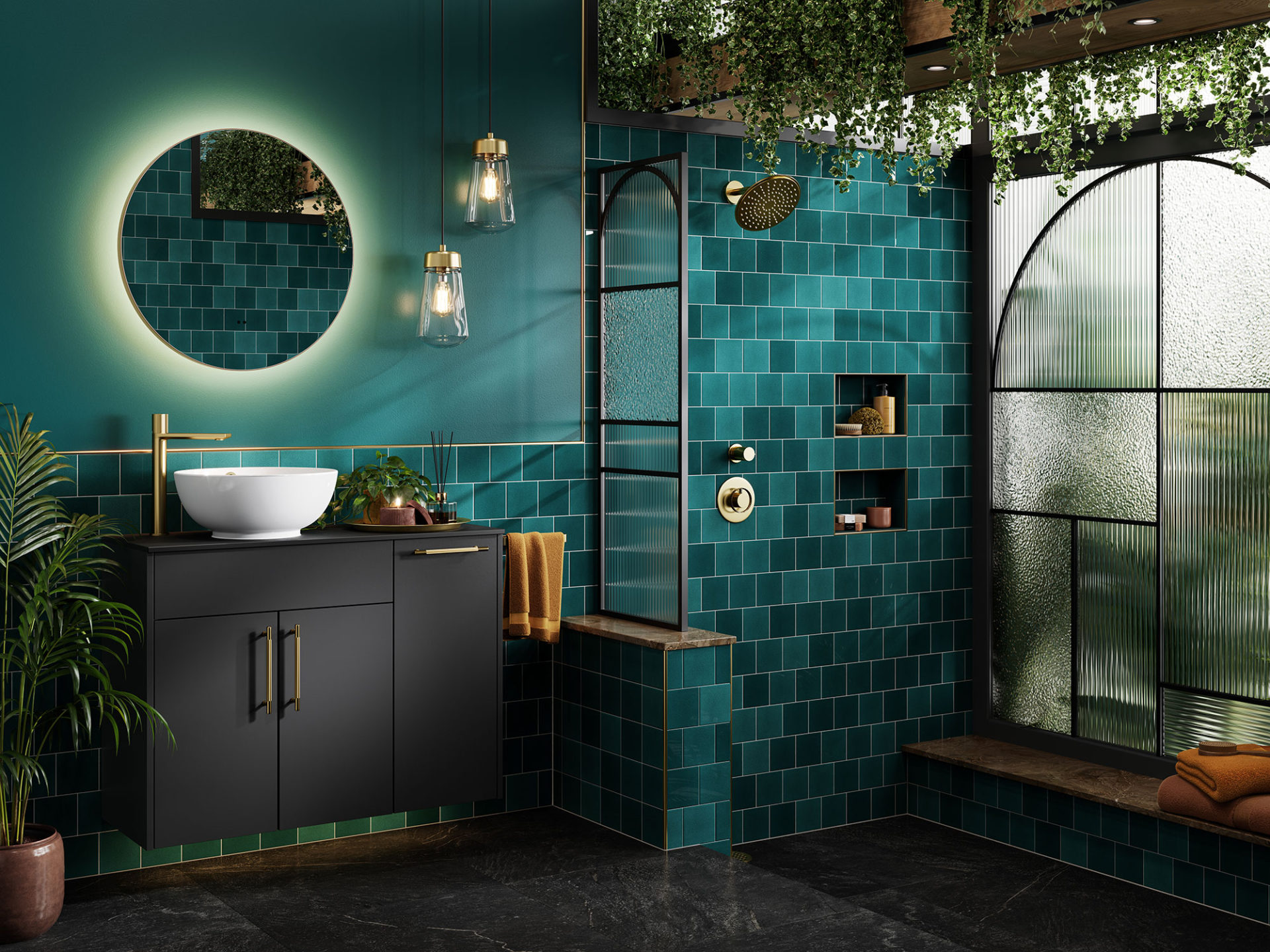
Powder rooms and guest bathrooms are starting to use more bold and eye-catching designs. This includes bright or textured wallpaper, rich color schemes, and striking light fixtures.
Deep colors like emerald green and sapphire blue are taking the place of the neutral tones that were popular in past years. These shades create cozy spaces that feel both intimate and luxurious. Using grout in a contrasting color for tile designs also adds visual impact and can change the way the size and shape of the room are perceived.
11. Integrated Technology And Smart Controls
Modern showers now come with digital controls that let each person save their own settings for temperature, water pressure, and shower length. Voice commands make it easy to adjust everything without touching controls with wet hands.
Toilet seats with built-in bidets, heating options, and even health tracking features are becoming common in luxury bathrooms. Smart leak detectors can also stop the water supply if they sense unusual flow patterns, helping to prevent water damage and protect expensive finishes.
12. Natural Stone Statement Walls
Natural stone such as marble, granite, and quartzite has long been used for countertops, and now it is also being featured on bathroom walls. Book-matched stone slabs create mirror-like patterns that look like natural works of art.
These walls often stretch from floor to ceiling and may include built-in lighting to highlight the stone’s natural lines and colors. Rough stone walls bring texture and contrast against smoother surfaces in the bathroom, adding visual and tactile interest to the space.
13. Modular And Customizable Fixtures
Vanity systems with swap-out parts let homeowners update their bathroom layout without doing a full renovation. Drawers, surfaces, and handles can all be changed to fit new needs or styles.
Modular shower systems make it easy to add or remove features like body sprays, rainfall heads, or handheld units depending on personal preference. Custom-sized fixtures also help make the best use of space, which is especially useful in smaller bathrooms often found in cities.
14. Textured And Tactile Surfaces
Porcelain tiles that mimic the look and feel of real wood are becoming very popular. They bring both warmth and luxury to the bathroom.
Three-dimensional wall finishes add visual depth and can also hide small flaws in the walls. Some of these designs use LED backlightingto create a dramatic effect.
Textured glass panels are another option, offering privacy while still letting light pass through. This makes it easy to separate different areas in larger bathrooms without blocking natural light.

15. Minimalist Luxury Aesthetics
Bathroom design in 2026 is moving toward quiet luxury with a simple and refined look. Hidden storage keeps the space clean and organized while still offering room for toiletries and towels. This approach reflects broader architectural concept ideaswhere simplicity, functionality, and elegance merge to create timeless designs.
Toe-kick drawers and recessed medicine cabinets add extra storage without making the room feel cluttered. Smooth transitions between different surfaces create a seamless flow, making the bathroom look larger and more unified.
16. Advanced Water Management Systems
Water recycling systems now collect and filter greywater for reuse in toilet flushing and garden irrigation. These systems can cut water use in the home by up to 30 percent while still keeping a luxurious feel.
Rainwater collection, built into roof designs, directs water into storage tanks for non-drinking purposes around the house. Smart monitors also check water quality to ensure safe conditions for bathing and send alerts when filters need replacing.
17. Aromatherapy And Sensory Enhancement
Bathrooms are adding built-in scent systems that can release different aromas at set times of the day. Energizing scents work well in the morning, while calming ones help with evening relaxation.
Sound-dampening materials in the walls create a quieter space and add to the feeling of retreat. Temperature zoning allows different parts of the bathroom to stay at different comfort levels, making it easy to match personal preferences and activities.
Frequently Ask Question
What Makes A Bathroom Truly Luxurious?
Luxury bathrooms bring together smart technology, eco-friendly materials, and features that focus on health and relaxation.
How Much Should I Budget For A Luxury Bathroom Renovation?
A high-end bathroom renovation can cost between $75,000 and $150,000 if you want premium features, smart technology, and custom designs.
Are Smart Bathroom Features Worth The Investment?
Smart bathroom features are worth it because they save energy, reduce water use, and make daily routines more enjoyable.
What Sustainable Materials Work Best For Luxury Bathrooms?
Some of the best eco-friendly materials for luxury bathrooms include recycled glass surfaces, reclaimed wood treated to resist water, and lab-grown stone.
How Can I Incorporate Biophilic Design In A Small Luxury Bathroom?
You can bring nature into a small luxury bathroom by adding a living wall with a hydroponic system, using natural stone on one wall, or including reclaimed wood details.
Conclusion
Luxury bathroom design in 2026 is moving toward smart, sustainable, and wellness-focused spaces. The best designs bring together modern technology and natural materials, creating rooms that feel both advanced and calming.
Real luxury comes from design that understands your needs and makes everyday routines better. The trends highlighted here can guide you in creating a bathroom that will stay stylish and valuable well beyond 2026.